
Chelsea Manager Reflects on Controversial Remarks
Chelsea Women’s manager Emma Hayes has publicly expressed regret after her comments about player relationships sparked controversy in the Women’s Super League (WSL) community. The Mcw sports team provides exclusive insights into this developing story that has captured attention across women’s football.
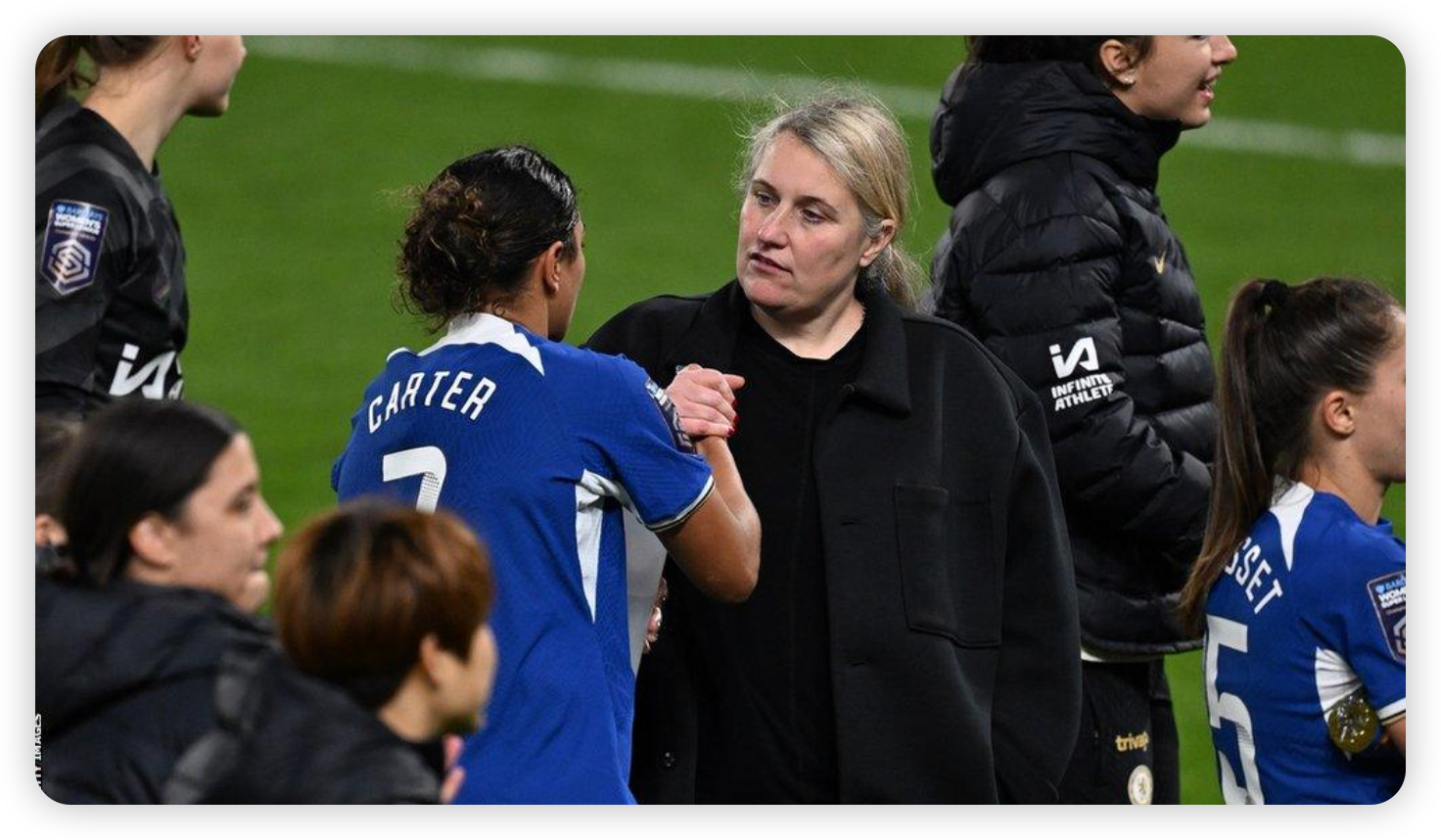
Speaking after Chelsea’s crucial WSL victory against Arsenal, Hayes acknowledged she “let herself down” with her initial statements. The six-time WSL champion had previously suggested that player-coach relationships should be banned and described player-player relationships as “inappropriate” during a Thursday news conference.
The Fallout and Team Dynamics
The comments immediately drew reaction from within Hayes‘ own squad. Defender Jess Carter, who is in a relationship with teammate Ann-Katrin Berger, subtly expressed disagreement by liking a social media post calling the inclusion of player-player relationships in the discussion “beyond bonkers.”
Football analyst Mark Thompson of Mcw Sports notes: “This situation highlights the delicate balance managers must maintain when discussing personal relationships in professional sports. Hayes‘ quick acknowledgment of her misstep shows her leadership qualities, but the incident reveals how easily such topics can become contentious.”
Manager’s Clarification and Moving Forward
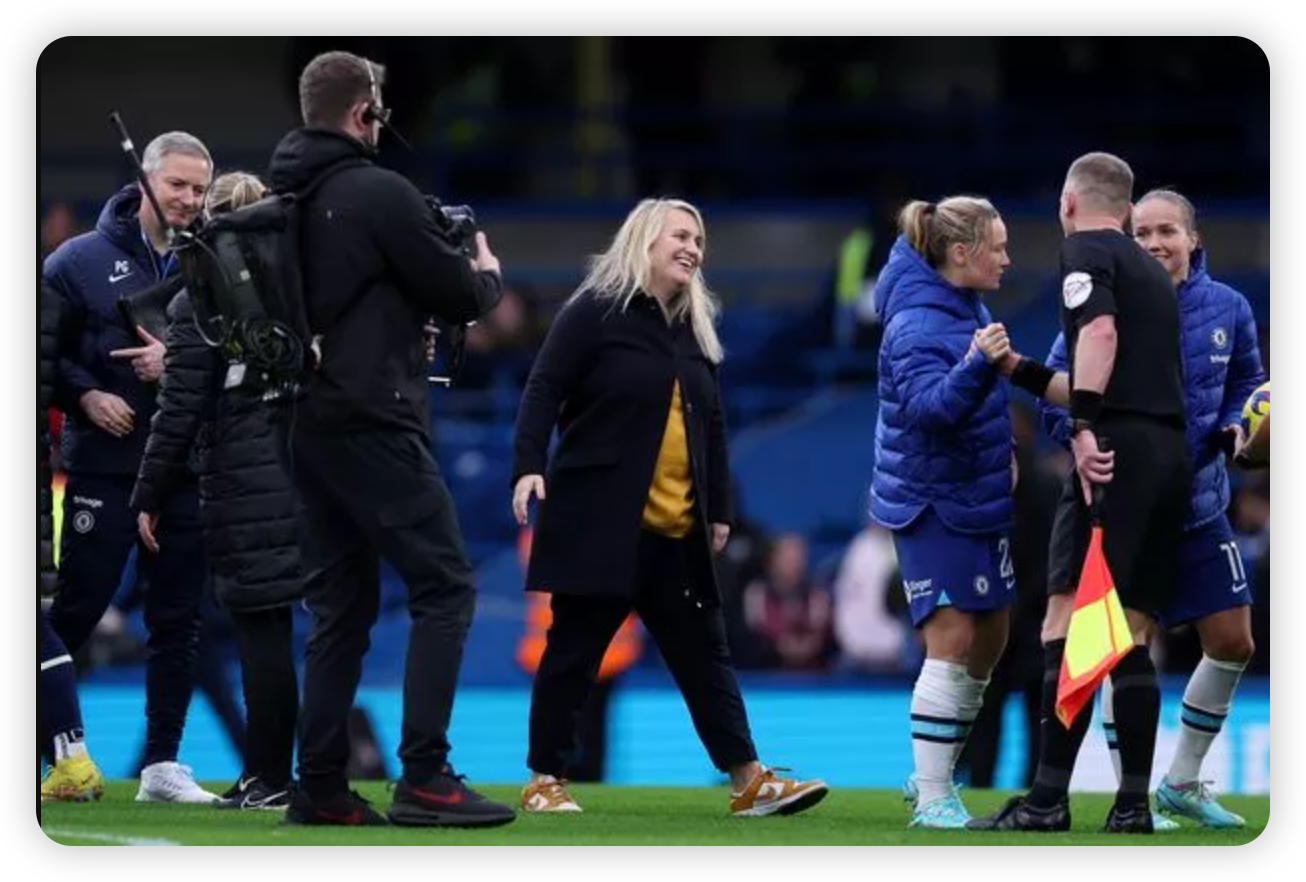
In her post-match remarks following the Arsenal victory, Hayes clarified her position: “I don’t think it was right for me to use the term inappropriate for the players. I have zero criticism of any player in my dressing room for anything regarding their status or who they’re in a relationship with.”
League-Wide Discussion on Professional Boundaries
The controversy comes amid broader discussions about professional boundaries in women’s football. Aston Villa manager Carla Ward had strongly stated that any coach in a relationship with a player should be dismissed, calling it a “complete abuse of power.”
Hayes joined several other WSL managers in supporting the idea of banning coach-player relationships, suggesting it should be part of a league-wide code of conduct: “There are challenges that we should be moving past.”
Conclusion: Lessons in Leadership and Communication
This incident serves as a reminder of the complex interpersonal dynamics in professional sports. While Hayes maintains her position on coach-player relationships, her willingness to reconsider her wording regarding player-player relationships demonstrates the evolving nature of these discussions in women’s football.
For more in-depth analysis and breaking news in women’s football, stay tuned to Mcw Sports – your premier source for WSL coverage and expert commentary. What are your thoughts on this developing story? Share your opinions in the comments below.
