
The Golden Era of Spanish Club Football
The 2013/14 European football season culminated in a historic all-Spanish Champions League final in Lisbon, where Real Madrid triumphed over city rivals Atletico Madrid in a dramatic extra-time showdown at the Estadio da Luz. This victory wasn’t an isolated event—it marked the beginning of a period of unprecedented dominance for Spanish clubs in European competitions.
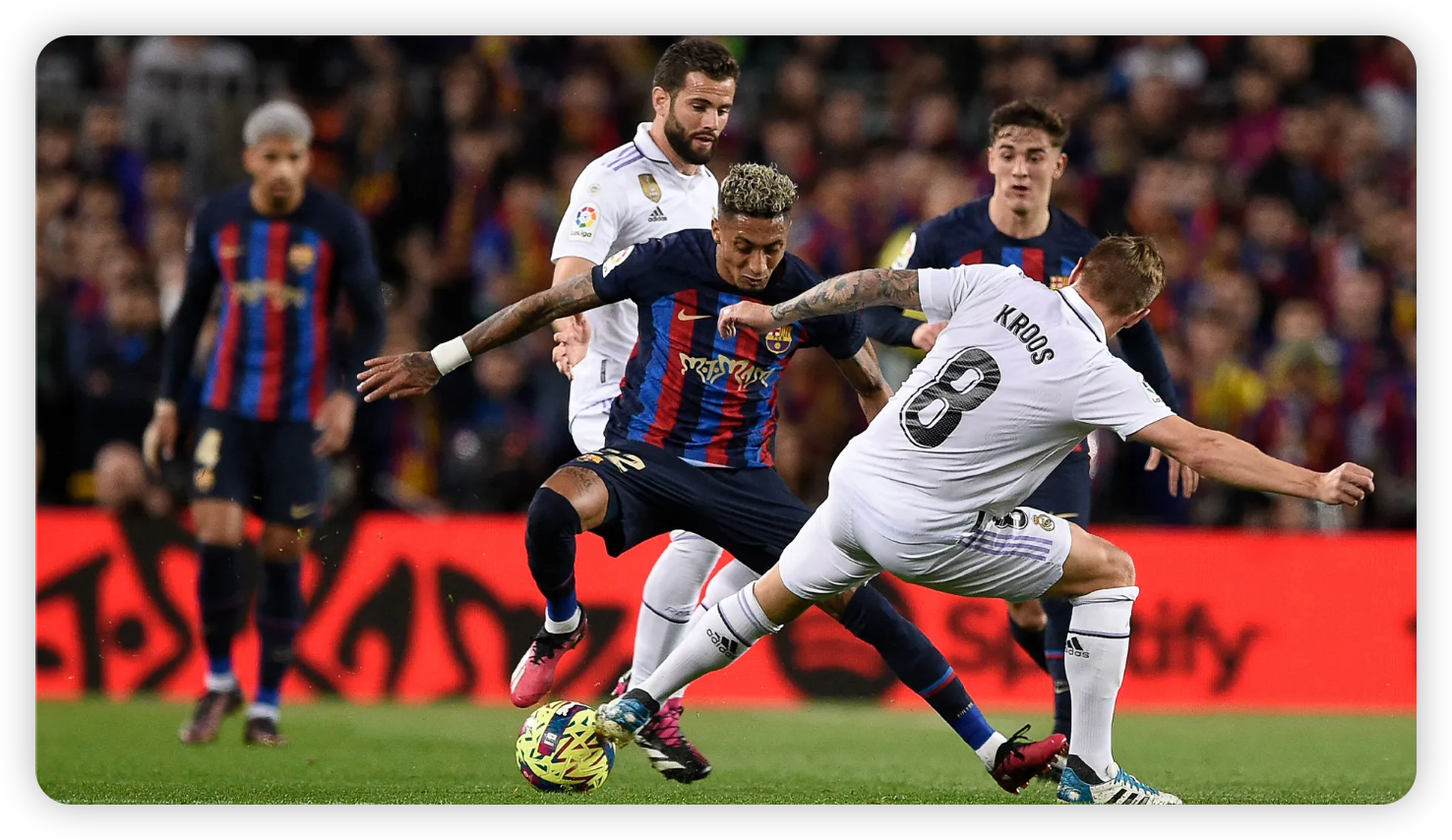
Three months later, Real Madrid further cemented their status by defeating Sevilla in the UEFA Super Cup, another all-Spanish affair. This consistent success at the highest level has made La Liga the envy of European football, even as Spain’s national team faced challenges internationally.
La Liga’s Global Ambitions: Closing the Gap on the Premier League
At the Soccerex global convention in Manchester, La Liga president Javier Tebas made a bold declaration: “The best league is the Spanish league.” His confidence stems not just from the star power of Real Madrid and Barcelona, but from the depth of quality across the competition.
“Atletico Madrid reached the Champions League final, Sevilla won the Europa League, and Valencia were semifinalists,” Tebas noted. “This proves our league’s strength goes beyond just two clubs.”
However, Tebas acknowledges one significant hurdle—the Premier League’s financial might and global branding. “The Premier League is ahead in terms of finance and international reach,” he admitted. “But our goal is clear: within six to eight years, we want La Liga to be on par with the Premier League and NBA in global recognition.”
Strategic Expansion: The LFP World Challenge
To achieve this, La Liga has launched innovative initiatives like the LFP World Challenge, where clubs like Malaga, Valencia, and Sevilla tour international markets. “We want fans in Asia, the Americas, and beyond to connect with all our clubs, not just Madrid and Barcelona,” Tebas explained.

Key to this strategy is adapting match schedules for global viewers. “We’ve introduced early kickoffs (4pm local time) once a month for Asian audiences,” Tebas revealed. “This ensures our international partners can build consistent viewership.”
The Scheduling Revolution: Football Around the Clock
La Liga‘s flexible scheduling—with matches spread across 10 different time slots—creates a unique advantage. “Whether you’re in New York waking up or in Asia starting your day, there’s always live La Liga football,” Tebas emphasized.
This approach hasn’t been without controversy in Spain, where traditional weekend slots are sacred. But Tebas believes the long-term benefits outweigh local concerns: “Direct engagement through live matches is priceless for growing our brand.”
Where to Watch La Liga on Mcw
For fans eager to follow this new era of Spanish football, Mcw offers comprehensive coverage. Here’s this week’s standout fixtures:
- Real Madrid vs Elche – A chance to see Los Blancos’ galacticos in action
- Atletico Madrid vs Sevilla – A clash of European contenders
- Barcelona vs Granada – Messi & Co. look to dazzle at Camp Nou
Conclusion: La Liga’s Bold Vision for Global Football Supremacy
While the Premier League currently leads in commercial power, La Liga’s combination of on-field excellence and innovative global strategies makes it a compelling alternative. As Tebas’ plans unfold, the next decade could see Spanish football redefine what it means to be the world’s premier league.
For the latest analysis and live coverage of this fascinating battle for football’s future, stay tuned to Mcw—your home for in-depth sports storytelling.
