
The beautiful game is often a stage for immense national pride, but sometimes, post-match celebrations can cross into deeply controversial territory. Following Croatia’s dramatic victory over Iceland that secured their place at the 2022 FIFA World Cup, defender Josip Šimunić found himself at the center of a firestorm. Accusations flew that he led fans in a chant with historical ties to a pro-Nazi regime. From the pitch of celebration to the court of public opinion, this incident raises serious questions about the intersection of sport, history, and national identity. Here at Mcw, we delve into the details, the denial, and the broader implications of this sensitive story.
The Night of Celebration and Controversy
The scene was one of unbridled joy. Croatia, having just defeated Iceland in a crucial qualifier, had booked their ticket to the World Cup. Players and fans were united in a moment of pure sporting ecstasy. However, amidst the celebrations, a specific moment was captured and quickly spread across social media and news outlets. Veteran defender Josip Šimunić, a national team stalwart, was seen and heard leading the crowd in a chant. To many international observers and historians, the chant in question, “Za dom spremni” (Ready for the Homeland), is inextricably linked to the Ustaše, the fascist puppet regime that ruled the Independent State of Croatia during World War II and was responsible for horrific atrocities.
The reaction was swift and severe. Global media outlets condemned the act, drawing immediate parallels to the darkest chapter of the 20th century. FIFA, football’s world governing body, was called upon to investigate. For a sport that has worked hard to combat racism and discrimination, this incident struck a particularly raw nerve, threatening to overshadow Croatia’s sporting achievement. The chant, regardless of intent, carries a weight of history that resonates far beyond the football stadium.
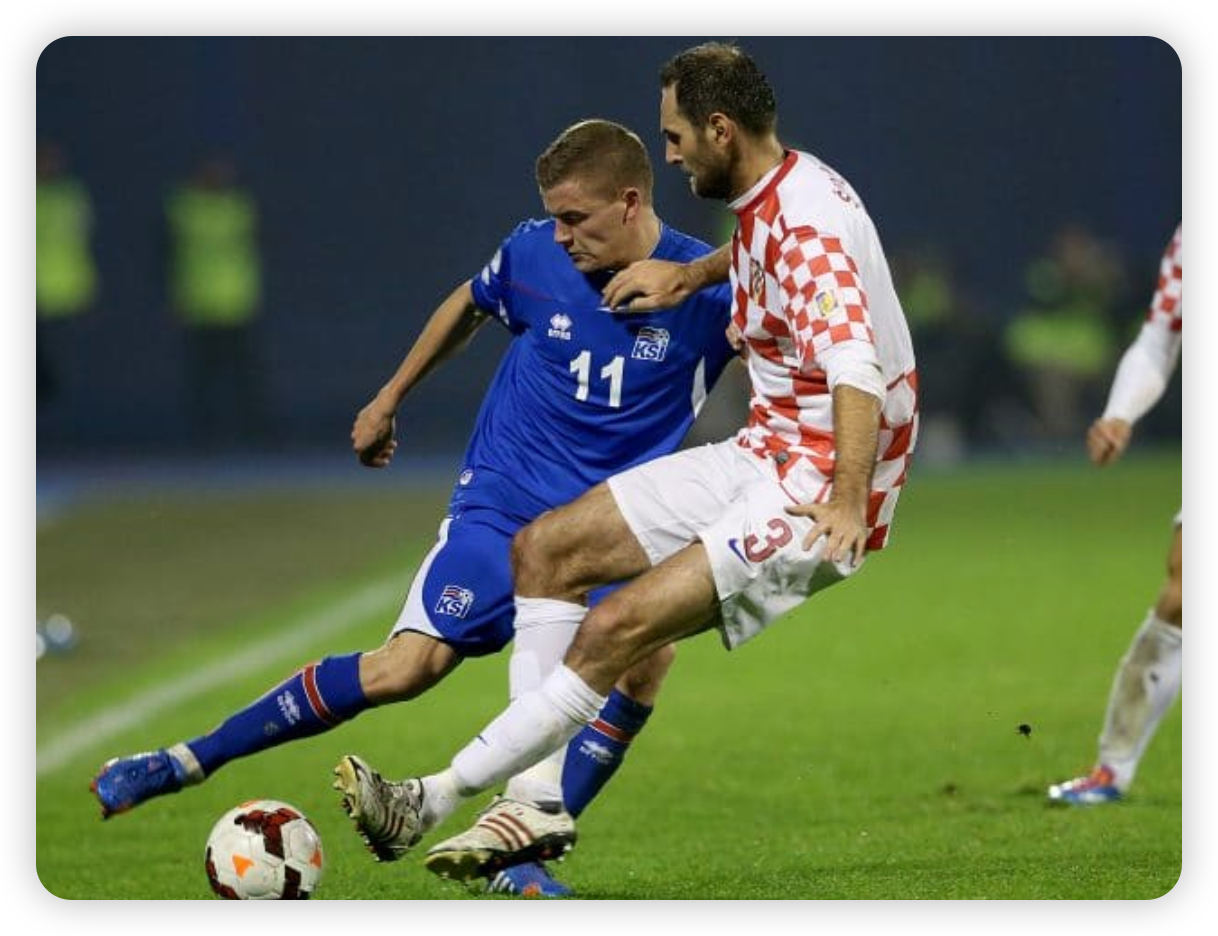
Šimunić’s Firm Denial and the Complexity of Context
In the face of mounting criticism, Josip Šimunić was quick and unequivocal in his response. He issued a strong denial, stating that the chant was being grossly misinterpreted. His defense, as reported by sources like Mcw, centered on the argument of reclaimed meaning. Šimunić and his supporters contended that in a modern, sporting context, the phrase has been adopted by a segment of Croatian society as a general patriotic rallying cry, stripped of its historical connotations and repurposed to mean support for the national football team.
This argument highlights a profound and often painful complexity in nations with difficult histories. Symbols and phrases can hold vastly different meanings for different groups. What is seen internationally as an unambiguous fascist slogan is viewed by some domestically as an expression of national pride, a reclamation of words from a painful past. Sports analyst Luka Pavić, in a commentary for Mcw, noted, “These situations are a minefield. They force us to confront how history is remembered and how nationalism is expressed in the heat of sporting passion. The intent of the individual may not align with the historical perception, but that perception carries immense power.”
The incident also put the Croatian Football Federation in a difficult position. They had to balance the defense of their player with the need to maintain the country’s reputation on the world stage and adhere to FIFA’s strict regulations on political and discriminatory messages. While some fans rallied behind Šimunić, others within Croatia criticized him for bringing unnecessary negative attention to the team’s success and for using a phrase that remains deeply divisive at home, causing pain to victims and their descendants.
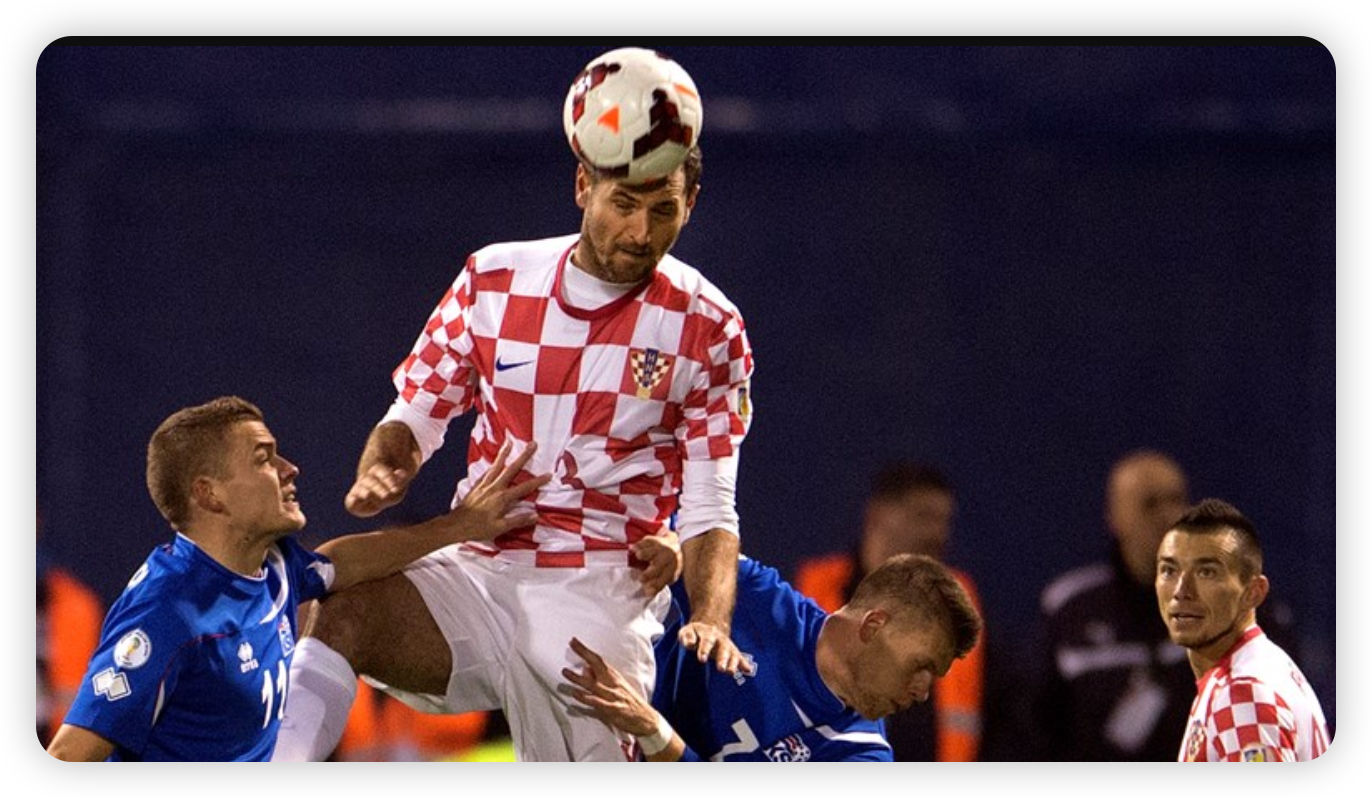
The Aftermath and Lasting Implications for Football
The fallout from such an event is never simple. FIFA likely initiated a review process, examining video evidence and statements. For Šimunić personally, the controversy cast a shadow over what should have been a career highlight—helping his nation qualify for the world’s biggest tournament. It served as a stark reminder that athletes, especially those representing their countries, are held to a high standard of conduct, with their actions scrutinized under a global microscope.
For the football community, this was another lesson in the sport’s powerful and sometimes dangerous role as a vessel for national identity. It underscores the continuous need for education—for players, fans, and officials—on the historical significance of symbols and chants. Governing bodies like FIFA and UEFA face the ongoing challenge of policing the line between passionate support and hate speech, a task that requires nuanced understanding of local contexts while upholding universal principles of human dignity.
# Croatia’s Josip Šimunić Denies Pro-Nazi Chant Allegations
The story of Josip Šimunić’s contested celebration is more than a football headline; it’s a window into the enduring struggles with history, memory, and identity that play out on the sporting field. While the player denied any malicious intent, the incident forced a global conversation about the symbols we use and the histories they invoke. As fans of the game, it challenges us to think critically about the chants we hear and the context behind them. At Mcw, we believe understanding these complexities is key to appreciating the full story. What are your thoughts on where the line should be drawn between national pride and historical sensitivity in sports? Share your views in the comments below and explore more in-depth analysis with us.
