
The Emirates Stadium was buzzing with anticipation, not just for the London derby, but for the long-awaited debut of a new Chelsea signing. When Ross Barkley finally stepped onto the pitch for the Blues, it was a moment scrutinized by fans and pundits alike. How would the England midfielder fare after his prolonged absence? Our team at Mcw dives deep into the minute-by-minute action of Barkley’s introduction, analyzing his performance, his tactical role, and what it signals for Chelsea’s future.
The Stage Is Set: A High-Pressure Introduction
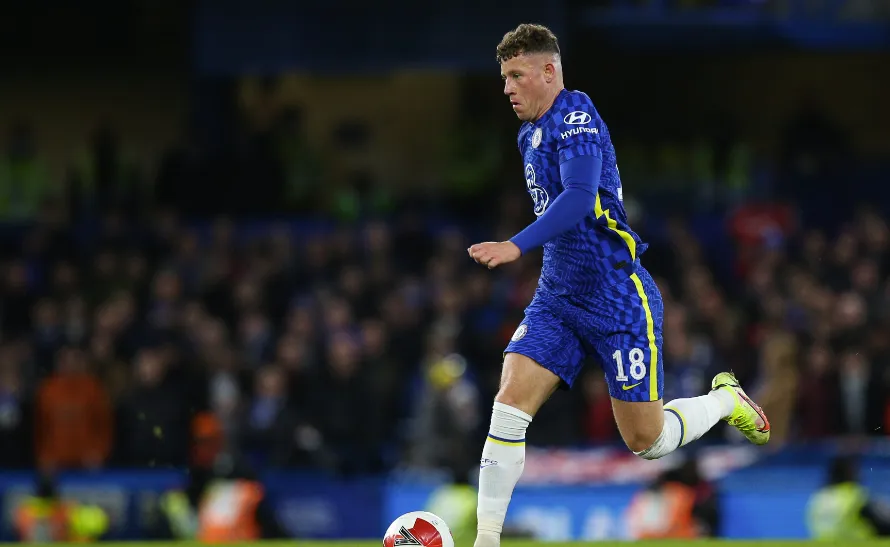
The call came sooner than expected. Just half an hour into a tense clash with Arsenal, Willian signaled a hamstring issue. On the touchline, Antonio Conte turned to his new weapon. Ross Barkley was thrust into the fray, taking up a crucial position in an attacking midfield role, tasked with supporting the elusive Eden Hazard who was operating as a false nine. As noted by our in-house tactical analyst at Mcw, Michael Carter, “Throwing a player into a derby for his debut is a baptism of fire. Conte wasn’t looking for a gentle introduction; he needed an immediate physical and tactical impact in a game that was finely balanced.”
A Minute-by-Minute Breakdown of Barkley’s Performance
Shaking Off the Rust
The opening minutes were a stark reminder of the intensity of Premier League football. Almost immediately, Barkley felt the force of Laurent Koscielny, who out-muscled him for a goal-kick. A minute later, a mistimed high foot on Jack Wilshere conceded a free-kick. The physical exchanges were relentless, with Wilshere earning a yellow card for a retaliatory foul on Barkley shortly after. This period, as captured in the live commentary, highlighted the initial adjustment phase. “You could see the gears turning,” Carter observes. “The pace of the game, the aggression—it takes a few touches to sync up. His early tackles were a fraction off, like the slide on Koscielny that was penalized.”
Flashes of Quality and Decision-Making
As the first half wore on, Barkley began to integrate. Just before halftime, a promising run and cross from the byline was cleared, and a key moment arose when he opted to pass on the edge of the box instead of shooting, a decision that led to a dangerous Arsenal counter. This split-second choice is often what separates good players from great ones in the final third. After the break, his game intelligence started to show. He neatly spread play to Victor Moses and displayed clever footwork in midfield to release N’Golo Kante. A promising counter-attack was sparked by his pass to Hazard, though the return ball to a well-placed Barkley was just cut out.
Establishing a Presence and Set-Piece Threat
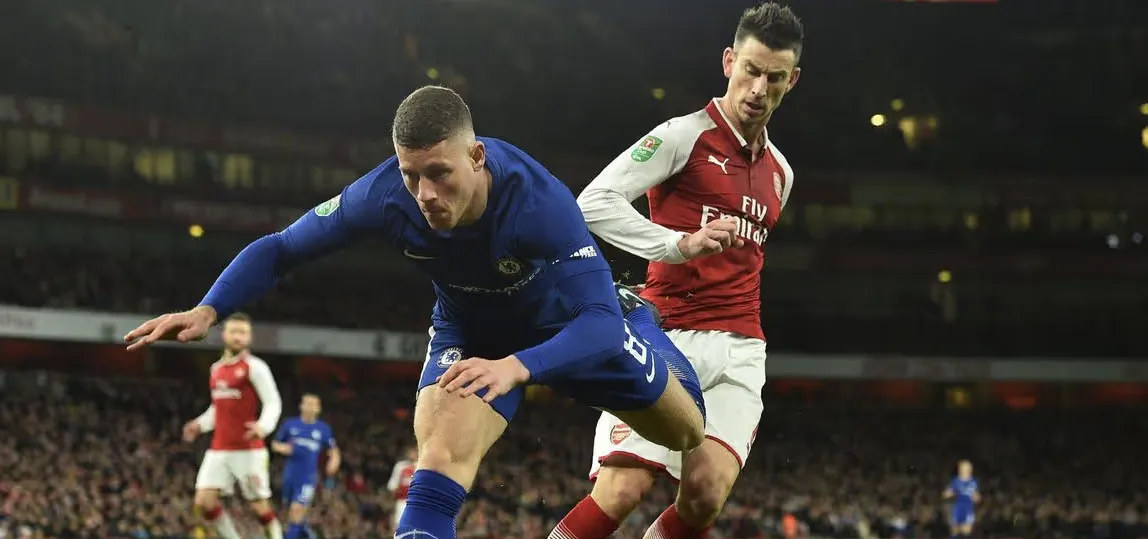
The final half-hour showcased Barkley‘s growing influence and physical attributes. He consistently showed good strength to hold off markers, most notably spinning away from Mohamed Elneny and drawing fouls from experienced players like Nacho Monreal and Granit Xhaka. His ability to win aerial duels and drive forward was evident when he beat Monreal twice to spark a Chelsea chance. His delivery from set-pieces also became a weapon, with one whipped corner finding Antonio Rüdiger, who headed over. While there were moments of lost possession, his overall ability to draw fouls in advanced areas provided Chelsea with set-piece opportunities in dangerous positions.
The Final Whistle: Assessment and Future Outlook
The debut ended in frustration, with a last-gasp corner failing to beat the first man as Chelsea chased an equalizer. However, the 65-minute cameo provided a wealth of information. This wasn’t a flawless performance, but it was a purposeful and physically committed one. He was not hidden; he was involved in the key battles across the pitch.
For Chelsea fans and followers of Mcw, the takeaways are positive. Barkley demonstrated the physicality and directness that Conte’s system often demands from midfield. He moved the ball quickly, engaged defensively, and offered a genuine threat from dead-ball situations. The rust in his decision-making in the final third is to be expected after such a long layoff and will likely sharpen with more game time.
Ross Barkley’s Chelsea Debut: A Mcw Analysis of His Impact Against Arsenal has shown a player ready for the fight. He navigated the intense pressure of a derby debut, shook off initial rust, and progressively imposed his qualities on the game. While the finished article is still a work in progress, the raw materials—strength, technique, and set-piece delivery—are all there. His integration adds a fascinating new dimension to Chelsea’s midfield options as the season progresses.
What did you think of Ross Barkley’s performance? Were you impressed by his physicality, or do you think he needs more time to find his creative best? Share your thoughts in the comments below and follow Mcw for more in-depth tactical breakdowns and post-match analysis.
