
The dismissal of Jose Mourinho from Manchester United sent shockwaves through the football world, marking the end of a tumultuous era at Old Trafford. Mcw brings you an exclusive deep dive into the structural issues at the club, the potential for revival under new leadership, and what this means for the world’s most famous football institution.
The End of the Mourinho Era: A Necessary Divorce
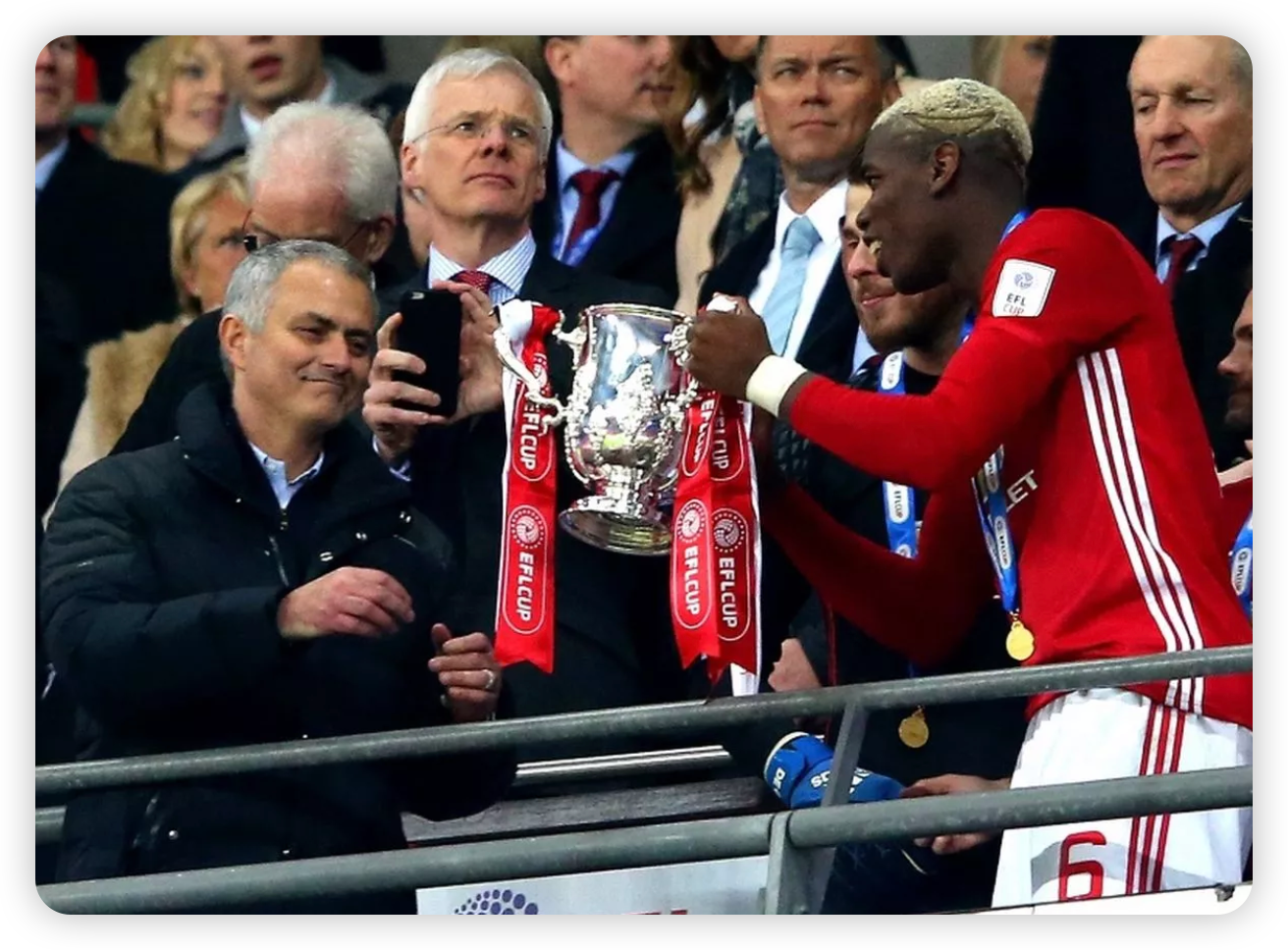
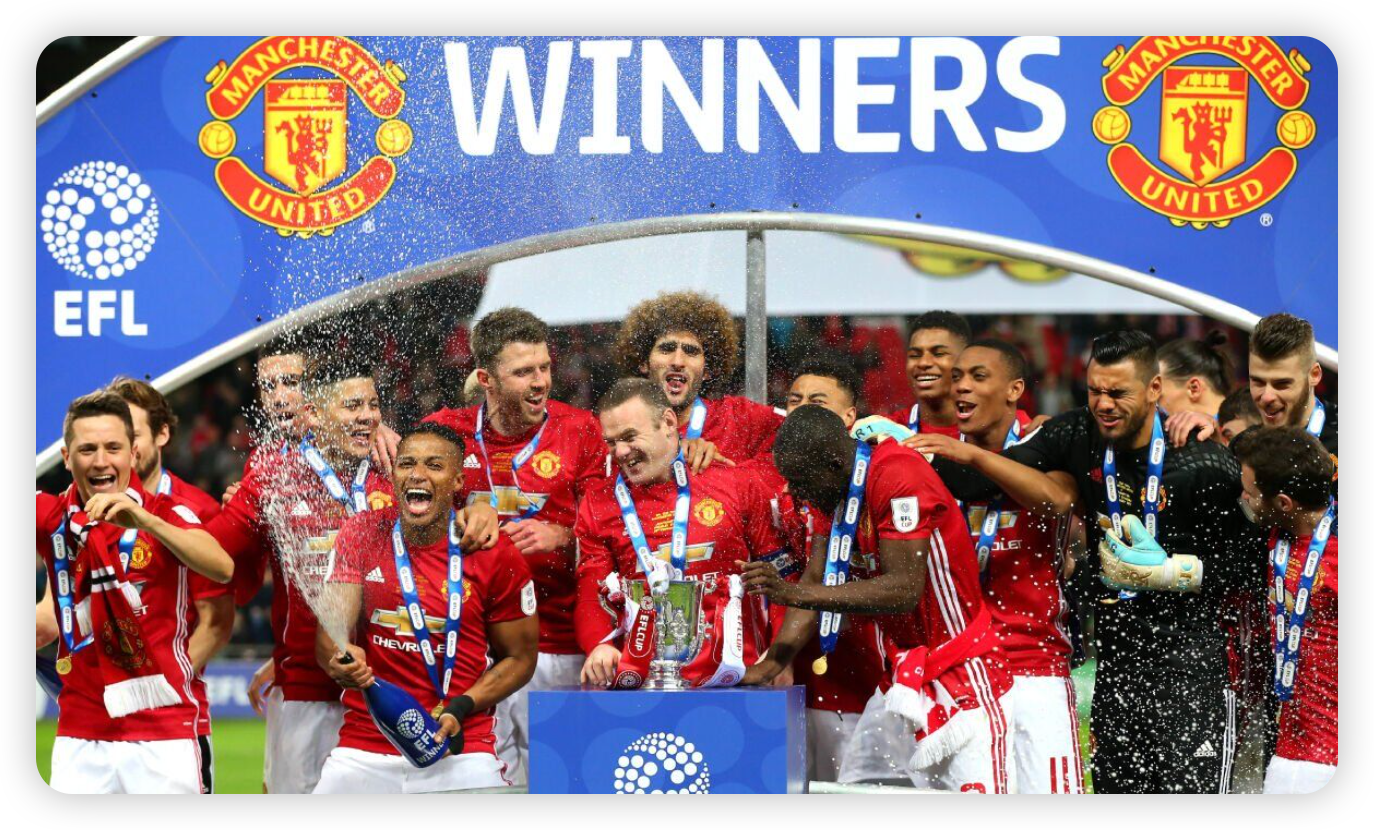
When Jose Mourinho arrived at Manchester United two and a half years ago, he appeared to be the guaranteed solution to the club’s post-Ferguson struggles. The self-proclaimed “Special One” had never failed at any previous club and seemed destined to restore United to their former glory. While he delivered two trophies and an FA Cup final appearance, his tenure ultimately fell short of expectations.
The past six months have been particularly painful to watch, with the club seemingly crawling from match to match in what can only be described as a state of disarray. The relationship between manager and board deteriorated significantly, particularly after last summer’s transfer window disagreements. When a club disagrees with its manager’s primary transfer targets, the writing is inevitably on the wall.
Structural Deficiencies: The Root Cause
The fundamental issue at Manchester United extends beyond any single manager. Three elite managers have now failed at the club in the past five years, suggesting deeper structural problems. Since the departure of Sir Alex Ferguson and David Gill, United have operated with a outdated structure that places too much responsibility on the manager alone.
Modern football clubs require specialized football leadership – sporting directors, technical directors, and recruitment specialists who can implement a cohesive long-term vision. United’s commercial operations remain world-class, but their football structure has fallen behind competitors like Manchester City and Liverpool, who have built sophisticated recruitment and development systems.
The Player-Manager Dynamic: A Two-Way Street
The relationship between Mourinho and his players, particularly Paul Pogba, became a constant source of speculation and controversy. While some blamed Mourinho’s management style, the reality is more complex. Great players should be able to perform under various circumstances and management approaches.
The situation reflects poorly on both parties. Players like Bryan Robson, Norman Whiteside, and Mark Hughes demonstrated leadership and performance during difficult periods in United’s history. The current squad must now prove their quality and commitment without the excuse of managerial conflicts.
The Interim Solution: Ole Gunnar Solskjaer’s Appointment
The appointment of Ole Gunnar Solskjaer as caretaker manager represents a smart short-term solution. Solskjaer understands the club’s culture, values, and expectations. His familiarity with the United way and his positive relationship with fans and media can help stabilize the situation and restore some much-needed positivity.
However, his appointment should be viewed as exactly what it is – a temporary measure to steady the ship while the club conducts a thorough search for a permanent manager and addresses the underlying structural issues.
The Path Forward: Mcw Strategic Recommendations
Manchester United stands at a critical crossroads. The decisions made in the next six months will determine the club’s trajectory for years to come. Based on our analysis at Mcw, we believe United must:
First, appoint best-in-class football leadership. The club needs experienced professionals who have successfully implemented modern structures at elite European clubs. Emotion and nostalgia must be set aside in favor of expertise and proven track records.
Second, define and commit to a clear football philosophy that aligns with United’s traditions of attacking football, youth development, and trophy-winning ambition. This philosophy should guide all football decisions, from recruitment to academy development.
Third, support the next permanent manager with the necessary structure and resources to succeed. The manager should focus on coaching and tactics, while specialized football executives handle recruitment and long-term planning.
The Squad Potential: Reasons for Optimism
Despite the recent struggles, Manchester United possesses a squad with significant potential. The attacking options – including Lukaku, Martial, Rashford, Sanchez, and Mata – should theoretically provide 60-70 goals per season with proper management and system.
The midfield requires players comfortable receiving the ball under pressure and progressing play, while the defense clearly needs reinforcement. With targeted additions and improved coaching, this squad should certainly be capable of challenging for top-four qualification.
The Permanent Manager Question: Pochettino and Beyond
The search for a permanent manager represents United’s most crucial decision. Mauricio Pochettino appears the ideal candidate based on his Premier League experience, commitment to attacking football, and track record of developing young players. However, luring him from Tottenham would require significant persuasion and likely compensation.
Whoever assumes the role must embrace United’s traditions while implementing modern tactical approaches. The successful candidate will need patience and support as they work within a restructured football operation.
Immediate Expectations: The Post-Mourinho Bounce
History suggests we can expect an immediate improvement in performance following a managerial change. The players now have an opportunity to prove their quality without the shadow of conflict with management. Saturday’s match will provide our first glimpse of whether the squad can respond positively to the change.
However, we should temper short-term expectations. Structural issues cannot be resolved overnight, and the new manager will need time to implement his ideas properly. The remainder of this season should be viewed as a foundation-building period rather than a measure of ultimate success.
Manchester United’s New Era: Mcw Analysis of Post-Mourinho Restructuring and Future Prospects
The dismissal of Jose Mourinho represents both an ending and a beginning for Manchester United. While his departure brings sadness given his incredible career achievements, it also creates opportunity for necessary structural reform and a return to the club’s core values.
The path forward requires sophisticated football leadership, a clear philosophical direction, and patience from all stakeholders. United remains one of world football’s most attractive projects, with tremendous resources, global appeal, and a squad containing genuine quality.
At Mcw, we’ll continue to provide expert analysis as this story develops. What are your thoughts on United’s future direction? Which manager would you prefer to see appointed permanently? Share your opinions in the comments below and join our community discussion about one of football’s most fascinating projects.
